From Full Closet to Curated Closet
A closet can be packed with clothes and still leave us wondering what to wear. Familiar pieces disappear behind impulse purchases, trend-driven finds, and those someday outfits that rarely make it into rotation. The result? More choices, but fewer outfits that truly feel like us.
The solution isn’t necessarily a smaller wardrobe. It’s a more thoughtful one.

Much like a gallery curator selects pieces that complement one another while maintaining their individual character, we can approach our closets with a clearer sense of style, purpose, and personality. A curated closet brings together pieces we genuinely enjoy wearing, makes getting dressed easier, and leaves room for fashion to remain expressive.
From discovering our personal style to editing what we own, building outfit combinations, and shopping smarter, here’s how to create a wardrobe that works beautifully for real life.
Define Your Style Before You Edit
A curated closet isn’t the same as a minimalist wardrobe or a traditional capsule collection. Minimalism emphasizes owning less, while capsule wardrobes generally revolve around a limited selection of interchangeable pieces. Curating offers greater freedom. There’s no magic number of garments or prescribed aesthetic. The goal is to create a wardrobe that reflects our individual style and supports the way we actually live.

Discover Your Personal Style
Start by looking at the pieces already getting the most attention. Which jeans always feel right? What jacket instantly pulls an outfit together? Which colors and silhouettes consistently make us feel confident? From there, gather inspiration from favorite pieces already in the closet alongside outfits, color combinations, and accessories we’d like to explore. A style journal or mood board can help organize those ideas, reveal recurring themes, and bring our personal style into sharper focus.
Try describing your ideal style in three words. Perhaps it’s modern, polished, expressive or relaxed, architectural, colorful. These words become a helpful reference when deciding what belongs in our closets.
Creating a small inspiration board with 10–15 favorite outfits can also reveal patterns in color, fit, texture, and styling. The key is distinguishing between looks we admire and outfits that genuinely fit our daily lives.
Dress for the Life You Lead
Our wardrobes should reflect how we spend our time, not simply the occasions we enjoy shopping for.
Consider dividing a typical month into categories such as work, casual activities, social outings, exercise, and special events. If casual activities account for 60% of our lifestyle but most of our closet consists of dressy pieces, that imbalance could explain why everyday outfits feel difficult.
This exercise helps identify which clothing categories deserve more space and which may already be overrepresented.

These are affiliate links, as a member of the Amazon Associates program we will earn a commission on qualifying purchases.
The Closet Audit: Keep What Earns Its Place
Before introducing anything new, it’s worth taking a closer look at what we already own. A closet audit isn’t about aggressively eliminating clothing. It’s about understanding what works, what doesn’t, and why.
Start With Four Categories
Remove clothing from one section of the closet at a time and sort each piece into four groups:
- Love and Wear: Favorites that consistently make it into rotation.
- Love but Don’t Wear: Pieces we appreciate but rarely reach for.
- Wear but Don’t Love: Practical items that serve a purpose but may need upgrading.
- Neither: Clothing that no longer fits our style, lifestyle, or preferences.
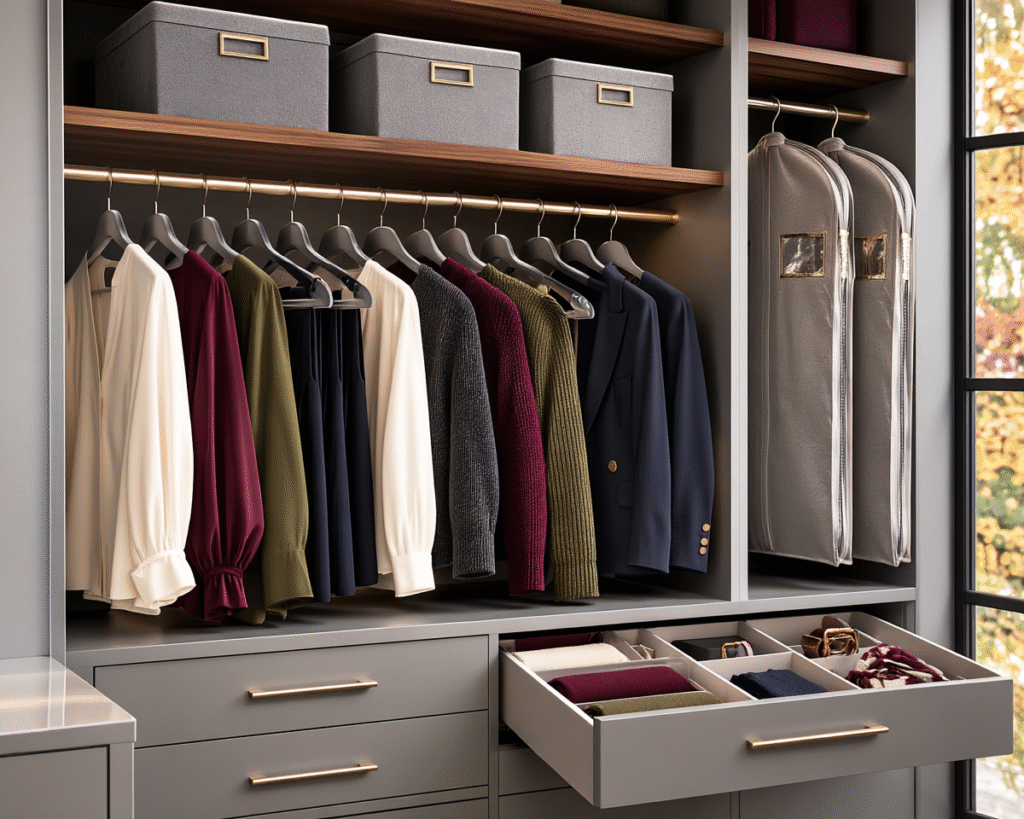
Working through tops, bottoms, outerwear, and accessories separately makes the process more manageable. Once we’ve decided what stays, the next step is organizing those pieces so they’re easy to see, access, and wear. Matching hangers and drawer dividers can bring order to everyday essentials, while storage bins and garment bags help protect out-of-season clothing until it’s needed again. Moving seasonal pieces out of the main rotation also creates breathing room for current favorites and leaves space for new additions that genuinely complement the wardrobe.
The Five-Question Keep Test
For pieces that leave us undecided, ask:
- Does it fit comfortably right now?
- Do we feel confident wearing it?
- Have we worn it within the past year?
- Can it work with at least three other pieces we own?
- Would we choose to buy it again today?
These questions aren’t rigid rules. Special-occasion clothing and sentimental pieces may deserve exceptions, but they encourage us to evaluate garments based on their actual value to our wardrobes.
For uncertain items, consider a temporary maybe box. If we haven’t missed them after three months, it’s probably time to donate, resell, or pass them along. Pieces needing alterations should receive a realistic repair deadline.
Find the Missing Pieces
Once the closet is edited, wardrobe gaps become easier to recognize. Perhaps we have plenty of statement tops but very few versatile bottoms, or several jackets without the right shoes to complete our favorite outfits.
Rather than creating an endless shopping wish list, identify a few specific needs and prioritize pieces with the greatest potential for repeat wear.



These are affiliate links, as a member of the Amazon Associates program we will earn a commission on qualifying purchases.
Build a Foundation That Works Together
A well-curated wardrobe should make outfit combinations feel almost effortless. The secret lies in creating a cohesive foundation while leaving plenty of room for color, texture, and individuality.
Create a Color Palette With Personality
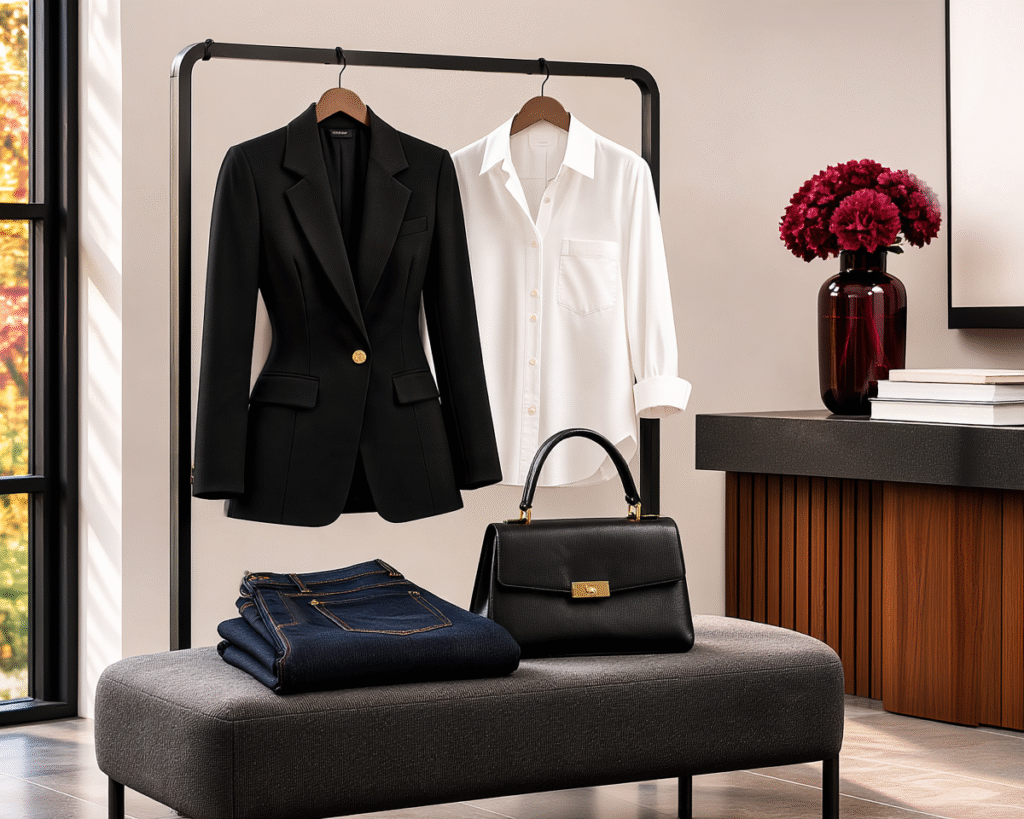
Begin with two or three foundational shades that already appear frequently in the closet. Black, charcoal, navy, espresso, and crisp white all offer strong starting points.
Next, introduce two or three supporting colors, such as olive, burgundy, or cobalt blue, followed by one or two accent shades that bring energy to the mix.
For example, black, white, and charcoal can establish a versatile foundation, while olive and oxblood add richness. A pop of cobalt or metallic gold creates contrast without disrupting the overall wardrobe. The palette should function as a guide, not a restriction. An unexpected color can absolutely earn its place when it complements several existing pieces.
Balance Everyday Essentials With Statement Pieces
Think of the wardrobe as approximately 70% dependable foundation and 30% personality. This isn’t a required formula, but it offers a useful perspective when evaluating what to keep or buy.
Foundational pieces might include:
- Well-fitting tees, button-downs, and refined knitwear.
- Straight-leg jeans, wide-leg trousers, and versatile skirts.
- Tailored blazers, lightweight jackets, and structured outerwear.
- Comfortable, polished footwear for everyday activities.
The remaining portion leaves space for sculptural silhouettes, interesting prints, statement jewelry, colorful handbags, and standout accessories.
And never underestimate the importance of fit. A beautifully tailored $40 pair of trousers can look far more polished than a $400 pair that doesn’t sit properly.


These are affiliate links, as a member of the Amazon Associates program we will earn a commission on qualifying purchases.
Outfit Formulas: More Looks, Less Guesswork
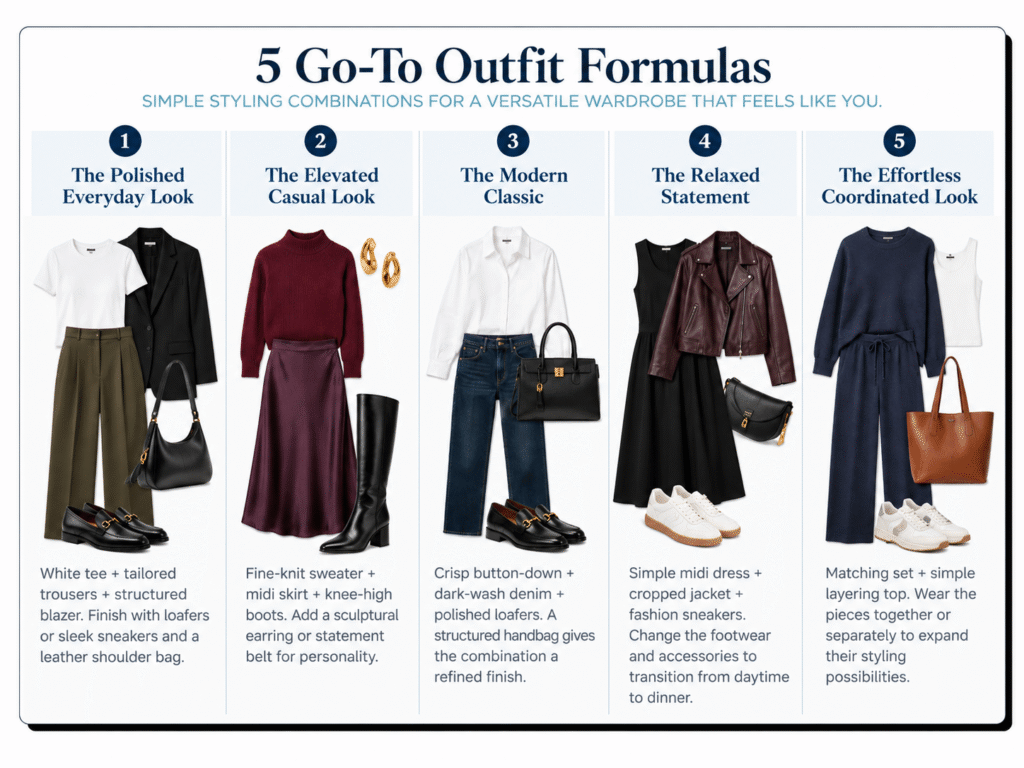
One of the greatest advantages of a curated closet is the ability to create multiple outfits without constantly purchasing new pieces. Instead of building every look from scratch, establish a few reliable outfit formulas that can be adapted through color, fabric, and accessories.
The five outfit formulas below are a starting point for thinking differently about versatility. Rather than seeing each piece as part of just one outfit, consider how it can work across multiple combinations. Can that blazer work with jeans as easily as tailored trousers? Could the same dress shift from daytime to dinner with a change of shoes and accessories? The more ways we can style what we already own, the more possibilities we create without constantly adding something new.



These are affiliate links, as a member of the Amazon Associates program we will earn a commission on qualifying purchases.
Shop Smarter, Spend Wisely
Curating a closet changes how we approach shopping. Instead of asking whether something looks appealing in the moment, we begin considering how it fits into the wardrobe we’re building.
The Pre-Purchase Pause
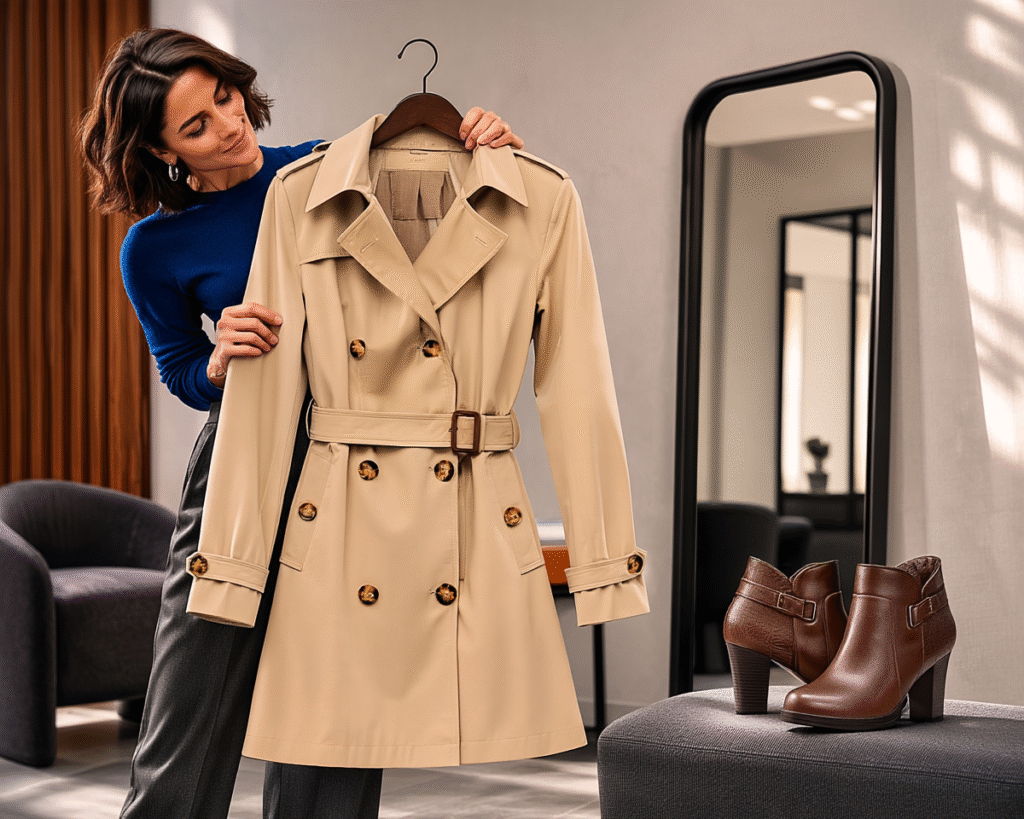
For nonessential purchases, try waiting 48 hours before buying. During that time, consider whether the item fits our personal style, fills an actual wardrobe gap, and works with at least three pieces already in the closet.
It’s also worth asking where we’d wear it and how often. A beautiful piece that only suits an imagined lifestyle may not deserve priority over something we’d genuinely enjoy every week.
A sale price is only a bargain when the item has a purpose.
Look Beyond the Price Tag
Higher prices don’t automatically mean better quality. Evaluate fabric composition, stitching, lining, hardware, and construction before deciding whether a garment is worth the investment.
Cost-Per-Wear (Purchase price ÷ Number of times worn) offers another useful perspective:
Cost-Per-Wear Example 1
Classic Wool Coat: $120/ 40 wears; $3.00 per wear
Cost-Per-Wear Example 2
Crewneck Sweater: $50 / 25 wears; $2.00 per wear
The numbers tell a more useful story than the price tag alone. A piece that earns regular wear can deliver excellent value at almost any price point. What matters is how well it fits our lifestyle, how often we’ll wear it, and whether it deserves a lasting place in the wardrobe.
Curate at Every Budget
A thoughtful wardrobe doesn’t require luxury spending. Consider three approaches:
- $100 refresh: Fill one important gap, make a minor alteration, or add an accessory that works with multiple outfits.
- $300 refresh: Invest in two or three versatile pieces that improve several existing combinations.
- $500+ investment: Prioritize a high-quality coat, footwear, or another frequently worn item with long-term value.
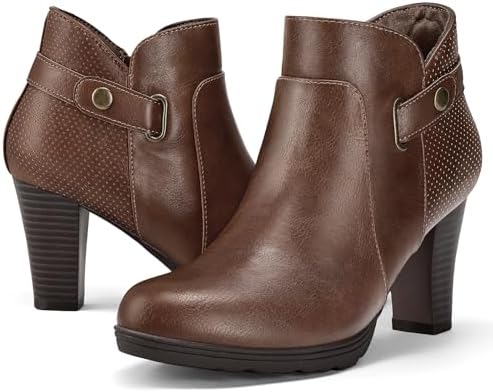
Secondhand boutiques, resale platforms, clothing swaps, and end-of-season sales can also offer excellent opportunities to find well-made pieces at more accessible prices.

These are affiliate links, as a member of the Amazon Associates program we will earn a commission on qualifying purchases.
Maintain A Closet That Evolves
A curated wardrobe isn’t a one-time project. Our lifestyles, preferences, and personal style naturally change, and our closets should have the flexibility to change with them.
Care for What You Own
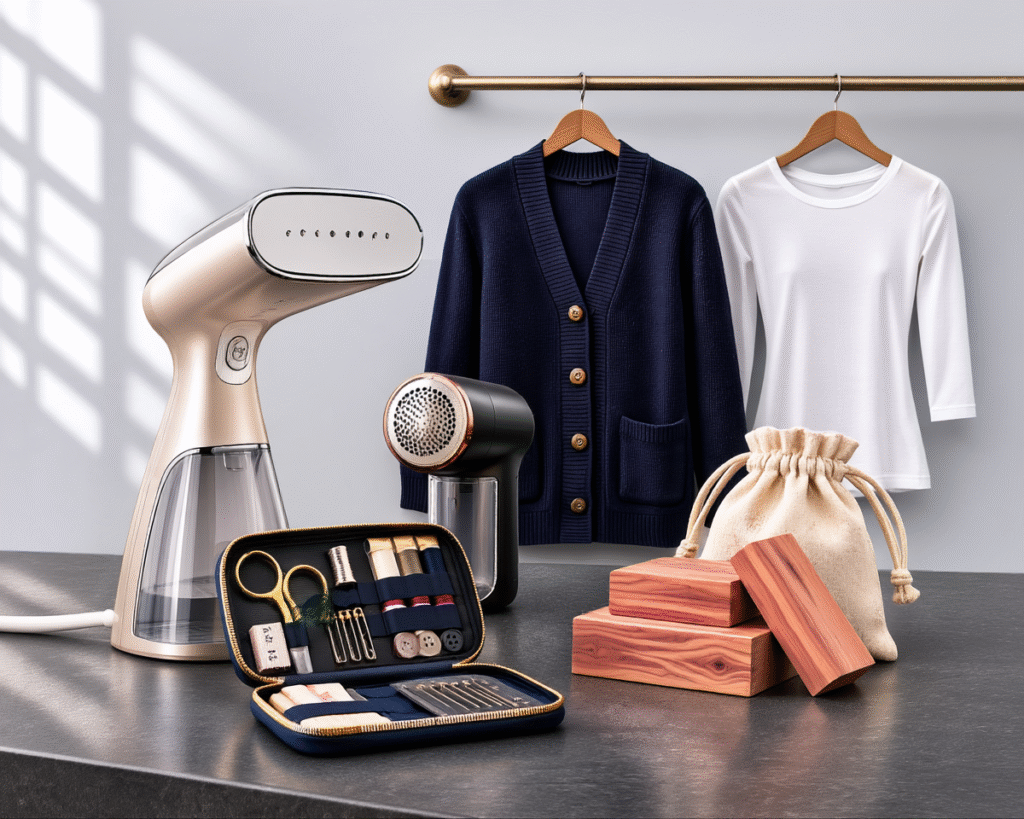
Simple care habits can help extend the life of your garments, keeping favorite pieces looking their best season after season. Follow fabric care labels, avoid unnecessary washing, air out suitable garments between wears, and store knitwear folded to help maintain their shape.
A garment steamer, fabric shaver, quality hangers, and basic mending supplies can help extend the useful life of everyday favorites. Small repairs, including replacing buttons or fixing loose seams, often make the difference between keeping a beloved piece and replacing it.
Make Room for What’s Next
Consider a one-in, one-out approach when introducing new clothing, particularly within categories that are already well represented.
A 30-minute seasonal review can also help identify what we’re wearing, what needs repair, and whether any wardrobe gaps have emerged. Store off-season pieces appropriately to keep the active closet functional.
Trends can still be part of the equation. Rather than replacing an entire wardrobe, incorporate one or two fresh accessories, colors, or silhouettes that complement the existing collection.
Most importantly, avoid editing too aggressively or trying to recreate someone else’s aesthetic. A curated closet should never feel restrictive, repetitive, or stripped of personality.


These are affiliate links, as a member of the Amazon Associates program we will earn a commission on qualifying purchases.
A Closet That Reflects You
The art of dressing with intention isn’t about creating a perfect wardrobe or following someone else’s definition of style. It’s about understanding what makes us feel confident, choosing pieces that work together, and giving the clothes we love the attention they deserve.
A curated closet can simplify busy mornings, reduce unnecessary purchases, and make personal style feel more natural and expressive. Start with three style words. Edit one category of clothing. Identify a few meaningful gaps. Then approach the next purchase with a clearer perspective.
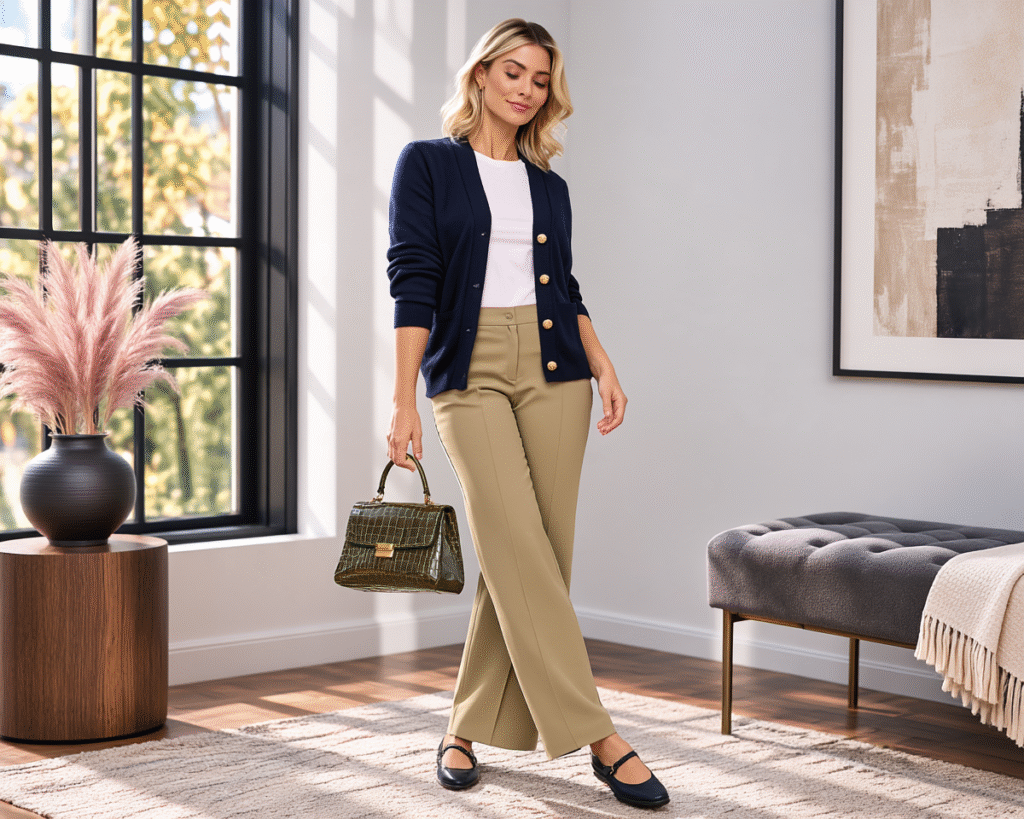
There’s no need to replace everything at once. Often, the most exciting wardrobe transformation begins by rediscovering what’s already there. And sometimes, a few finishing touches can make familiar pieces feel entirely new. Explore Accessories That Elevate Outfits for inspiration on bringing fresh personality and polish to the wardrobe you’ve curated.
And as our lives evolve, our closets can evolve right along with us.