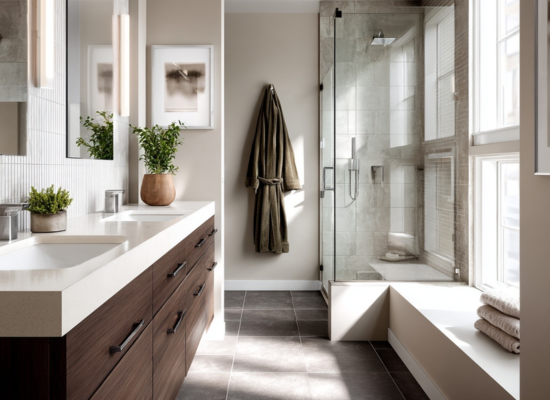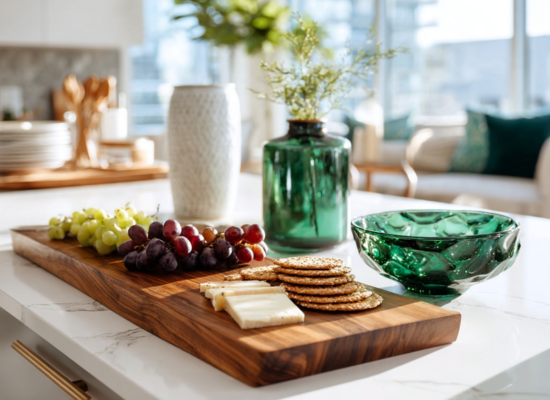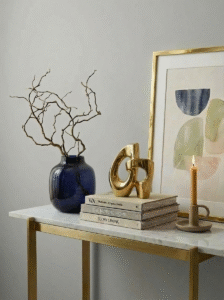
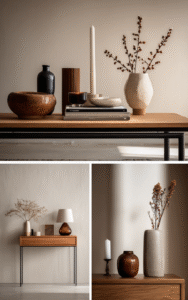
In every well-designed home, there are quiet moments that draw you in, a beautifully arranged coffee table, a thoughtfully styled nightstand, or a console that sets the tone the moment you walk through the door. These small compositions are called vignettes, curated groupings of objects that create a moment of visual interest and tell a subtle story about your home and style.
Yet for many people, styling surfaces feels intimidating. There are no strict rules, and it’s easy to swing between cluttered chaos and a space that feels sparse or unfinished. The good news? Once you understand a few guiding principles, creating vignettes becomes almost intuitive.
This guide will walk you through the art and intention behind vignettes, helping you transform everyday surfaces into meaningful, elevated design moments
This post may contain affiliate links. If you purchase through these links, The Aesthetic Edit may earn a small commission at no additional cost to you.
The Vision — Why Vignettes Matter
A well-styled vignette does far more than make a room “look pretty.” These small compositions create anchors throughout your home, giving the eye a place to rest, adding warmth and personality, and bringing cohesion to your overall design. A nightstand becomes a calming moment. An entryway console becomes a warm welcome. A coffee table becomes the heart of the room.
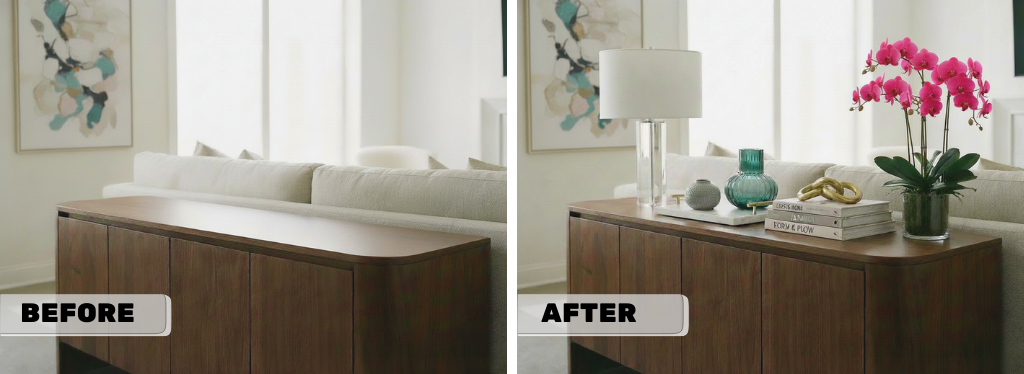
Vignettes also solve a common décor dilemma: surfaces that feel either too bare or overwhelmed. By intentionally grouping objects with purpose, you create balance, visual interest without clutter. Think of vignettes as tiny stories scattered throughout your home, each one adding a layer of intention and personality.


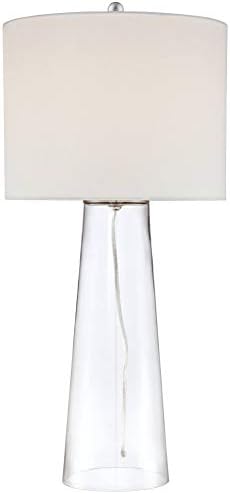
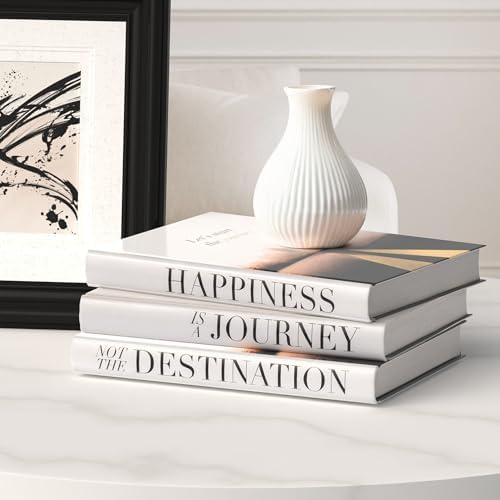


These are affiliate links, as a member of the Amazon Associates program we will earn a commission on qualifying purchases.
Key Elements to Focus On
Every successful vignette, no matter which surface, generally includes a variation of these building blocks. You don’t need all of them all the time, but understanding the elements helps you build balanced, intentional arrangements.
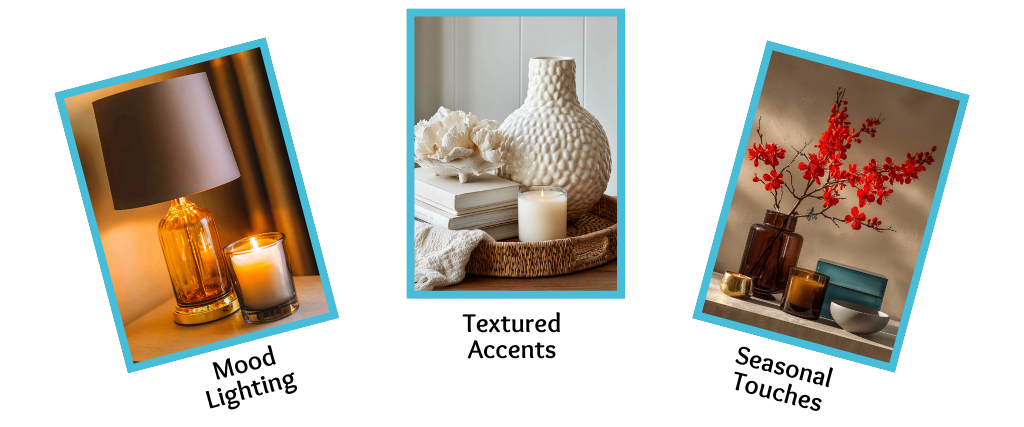
Mood Lighting
Lighting isn’t just functional, it sets the mood. A lamp instantly adds height, warmth, and presence to a vignette. Candles add ambiance and softness. Even natural light can play a role if you position reflective or textural items near it.
Textured Accents
Texture is what makes a vignette come alive. A ceramic vase next to a linen-bound book, beside a matte candle, atop a wooden tray, each surface adds dimension. Layering textures makes even minimal vignettes feel rich and intentional.
Seasonal Touches
Seasonal shifts are an easy way to refresh your vignettes without replacing everything. Add greenery in the spring, reds and warm earth tones in fall, organic branches in winter, or blush tones in summer. Small changes go a long way to add color.
Step-by-Step Refresh Checklist
Here are quick, actionable steps you can take to refresh any vignette, styling surfaces with intention:
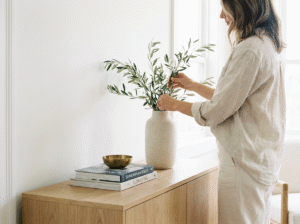
- Clear the surface entirely.
- Choose your anchor item (lamp, tall vase, or art).
- Add a grounding element (tray, book stack, or box).
- Layer medium and small pieces gradually.
- Introduce an organic element—branches, plant, or florals.
- Incorporate a personal item or collected object.
- Edit: remove 1–2 items to avoid clutter
Evolving Your Vignettes Over Time
Once you master the fundamentals, you can start experimenting with:
Scent layering: pairing candles and diffusers to enhance the mood of a room.
Alternate color palettes: monochromatic neutrals, earthy greens, warm rusts, or tonal shades.
Mini seasonal updates: swap stems, color accents, or surface textures to match the moment.
DIY projects: creating tone-on-tone textured art, spray-painting objects in soft matte neutrals, or styling sculptural branches for organic height.
Styling vignettes is both an art and an ongoing practice. The best surfaces evolve over time—objects move, new pieces are added, and personal touches rotate through with the seasons. Start with just one surface, preferably the one you see most often.
Build a small story using the principles above, then step back and edit. Over time, you’ll find your rhythm.
Intentional styling doesn’t stop at a single surface — 5 Small Styling Tweaks That Instantly Elevate a Room expands the idea room-wide.